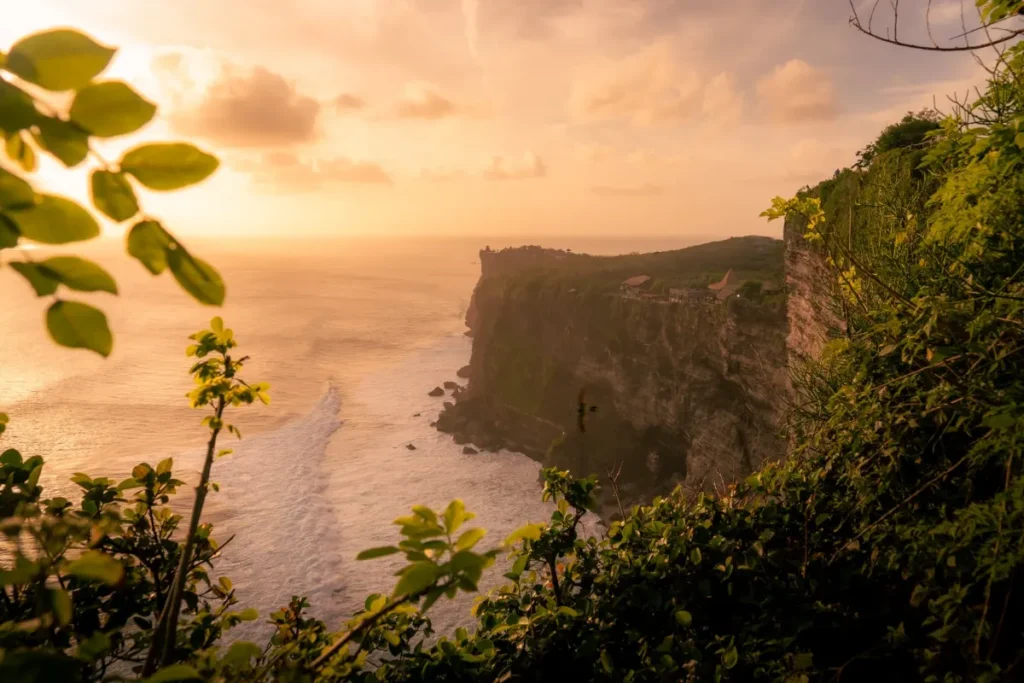
The moment I first laid eyes on Uluwatu, I understood why it has captured the hearts of so many travelers. This wasn’t just another part of Bali; it was a rugged, windswept peninsula where the land meets the sea in a dramatic clash of limestone cliffs and crashing waves. Located on the southwestern tip of the Bukit Peninsula, Uluwatu is a world away from the busy streets of Seminyak and the rice paddies of Ubud. It’s a place of raw natural beauty, world-class surf breaks, and a laid-back, bohemian energy that is both sophisticated and wild.
Uluwatu is a destination that offers a captivating blend of adventure, culture, and pure relaxation. From my own journey through this stunning region, I discovered a series of must-do activities that define the Uluwatu experience. Here is my curated list of the top things to do, designed to give you a taste of everything this incredible place has to offer.
1. A Sunset Spectacle: Uluwatu Temple & the Kecak Dance
A trip to Uluwatu isn’t complete without a visit to the iconic Uluwatu Temple. Perched on a 70-meter cliff, this ancient Hindu sea temple feels like a guardian of the island, standing against the powerful force of the ocean below. The walk along the cliffside path is breathtaking, with panoramic views of the Indian Ocean stretching as far as the eye can see.
But for me, the highlight was the famous Kecak fire dance. Held in a cliffside amphitheater with the ocean as its backdrop, the performance is a mesmerizing cultural spectacle. As the sun melted into the horizon, a chorus of men chanted a rhythmic “chak-chak-chak,” their voices providing a hypnotic soundtrack to the dancers’ dramatic movements. The fire dance at the end, set against the fiery colors of the sunset, was a truly unforgettable moment that embodies the magic of Bali.
My insider tip: The best time to visit is around 4:30 PM. This gives you time to explore the temple grounds and find a good seat for the dance, which starts at 6:00 PM. Book your tickets online in advance to avoid a long queue, as it’s one of the most popular attractions on the island.
Read also: Cliff, Sands and Waves : The Majestic Uluwatu Beach
2. Find Your Wave: Surfing Uluwatu’s Legendary Breaks
Uluwatu is world-renowned as a surfing mecca, and whether you’re a seasoned pro or a complete beginner, there’s a wave for you. I spent a morning at Padang Padang Beach, which is often called “Baby Padang” because of its gentle, beginner-friendly waves. The beach itself is a secluded slice of paradise, with a narrow cave-like entrance that opens up to a stretch of soft, white sand. I rented a board from one of the local warungs and got a lesson from a friendly instructor. The thrill of catching my first wave in such a stunning location was incredible.
For those who simply want to soak in the surfer culture, there’s no better place than Single Fin. Perched on a cliff overlooking Suluban Beach, it’s one of the most famous surf bars in the world. I grabbed a fresh juice and watched in awe as professional surfers navigated the powerful, hollow waves below. The vibe is laid-back during the day and turns into a lively sunset party on Sunday nights, making it a must-visit for every traveler.
3. Chase the Sun: Iconic Sunset Viewpoints
While Uluwatu Temple offers a classic sunset, the entire coastline is dotted with spectacular viewpoints that are perfect for a different experience. My favorite was Karang Boma Cliff. I drove my scooter down a small, unmarked road, and when I arrived, I was the only one there. The cliff juts out dramatically over the ocean, giving you a heart-stopping view of the waves crashing 70 meters below. It’s a place of pure, untamed nature, and watching the sunset from this secluded spot was a powerful, meditative experience.
Another great option is to find a spot at one of the famous beach clubs. I spent an afternoon at Sundays Beach Club in Ungasan. You take a gondola down the cliff face to a pristine white-sand beach. The entry fee includes food and drink credit, and you can spend the day kayaking, swimming in the clear water, or simply relaxing on a beanbag with a cocktail in hand. As the sun set, the club lit a bonfire on the beach, creating a magical atmosphere that was the perfect end to the day.
4. The Hidden Gems: Beyond the Tourist Trail
For those who love to explore, Uluwatu offers several hidden beaches that feel like a true discovery. Thomas Beach is a gem that many people overlook. To get there, you navigate a winding path and a series of steps down the cliff. The beach is a long stretch of soft sand with calm, swimmable water, making it a perfect spot to relax away from the crowds.
Another stunning, lesser-known spot is Nyang Nyang Beach. It requires a challenging 20-minute hike down a steep, rocky path, but the effort is rewarded with a long, pristine stretch of sand that you’ll likely have all to yourself. The shipwreck on the shore adds to the mystique, and the feeling of solitude is priceless.
5. The Culinary Scene: Where to Eat and Get Coffee
One of the most surprising things about Uluwatu is its booming food scene. Beyond the clifftop restaurants, a wave of cozy cafes and modern eateries has popped up, catering to surfers, digital nomads, and foodies alike.
I started my mornings at Suka Espresso, a local institution known for its fantastic coffee and delicious, wholesome breakfasts. The vibe is always buzzing, with travelers swapping stories over smashed avocado on toast or vibrant smoothie bowls. For a more tranquil setting, I loved The Cashew Tree Collective near Bingin Beach. This open-air cafe, set in a lush garden, felt like a community hub with its great food, live music, and laid-back atmosphere. It was the perfect spot to unwind after a morning surf.
When I was craving something a little different, I headed to Drifter Surf Shop & Cafe. It’s a unique blend of a boutique surf shop and a chill cafe, where you can browse handcrafted boards and stylish apparel while sipping on a top-notch latte. For a quick and authentic local meal, I’d stop by a traditional warung like Warung Local for a plate of Nasi Campur—a simple but incredibly flavorful mix of rice with a variety of side dishes, all for a budget-friendly price.
6. The Best Party Bars & Beach Clubs
Uluwatu’s nightlife is a perfect reflection of its daytime vibe: chic, cliffside, and always with an epic view. The party scene here is more focused on sophisticated beach clubs and lively sunset sessions than late-night clubs.
Single Fin is the legendary heart of Uluwatu’s party scene. While it’s great for daytime chilling, it truly comes alive on Sunday nights for its famous “Sunday Sessions.” The cliffside terraces fill with a global crowd, and the energy is electric as international DJs and live bands play until the early morning. It’s the ultimate Uluwatu party experience, and it’s something everyone should do at least once.
For a more high-end, festival-like atmosphere, Savaya Bali is the place to be. Situated on a dramatic 100-meter cliff, this opulent day club is known for hosting world-famous DJs like Calvin Harris and Diplo. With its incredible architecture, a stunning infinity pool, and a party-all-day vibe, it’s a premier destination for those looking for an upscale party.
If you want a more intimate, bohemian party, check out The Cashew Tree Collective or Hatch Uluwatu. The Cashew Tree hosts live bands on Thursdays, creating a friendly, community-oriented party. Hatch, on the other hand, is a psychedelic, jungle-inspired venue with a fun and quirky vibe, perfect for dancing to Latin or Afro-beat music.
Essential Tips for Your Uluwatu Adventure
To truly experience Uluwatu, it helps to be prepared. From getting around to staying safe, here are some practical tips I learned along the way:
Getting Around
Uluwatu is spread out, with steep hills and winding roads. I highly recommend renting a scooter for around IDR 70,000 per day. It gives you the freedom to explore at your own pace. If you’re not comfortable on a scooter, Grab and Gojek are available, but be aware of “taxi mafia” areas where you may be forced to use local drivers. Hiring a private driver for a full day is also an affordable option if you’re traveling in a group.
Read also: The Best Taxi Companies and Alternatives: Ultimate Guide to Getting a Taxi in Bali
What to Pack
Pack lightweight, breathable clothing like linen and cotton to handle the heat and humidity. Don’t forget a hat, sunglasses, and high-SPF sunscreen. For temples, always carry a sarong to cover your shoulders and knees. Sturdy sandals or sneakers are a must for navigating the rocky paths to the beaches and cliffs.
Be Monkey-Smart
The monkeys at Uluwatu Temple are notoriously mischievous. Keep all your belongings—sunglasses, hats, jewelry, and phones—securely put away in a bag. Avoid carrying food or feeding them, as they can become aggressive.
Safety First
While Uluwatu is generally very safe, always be aware of your surroundings, especially in crowded areas. Be cautious when swimming and surfing; the currents can be very strong. Only swim in designated areas and if you’re a beginner surfer, always get a lesson from a certified instructor.
Carry Cash
Many smaller local eateries and shops in Uluwatu operate on a cash-only basis. While larger venues and beach clubs accept cards, it’s always a good idea to have Indonesian Rupiah on hand for things like entrance fees, scooter rentals, and small purchases.
Explore The Soul of Uluwatu
Uluwatu is not just a collection of sights; it is a feeling of freedom and adventure. It’s where the raw power of the ocean meets the deep spirituality of the Balinese people. From the breathtaking cliffs to the laid-back surf culture, this region offers a travel experience that is both exhilarating and deeply peaceful. So, embrace the adventure, get a little sand on your feet, and discover the true soul of Uluwatu for yourself.