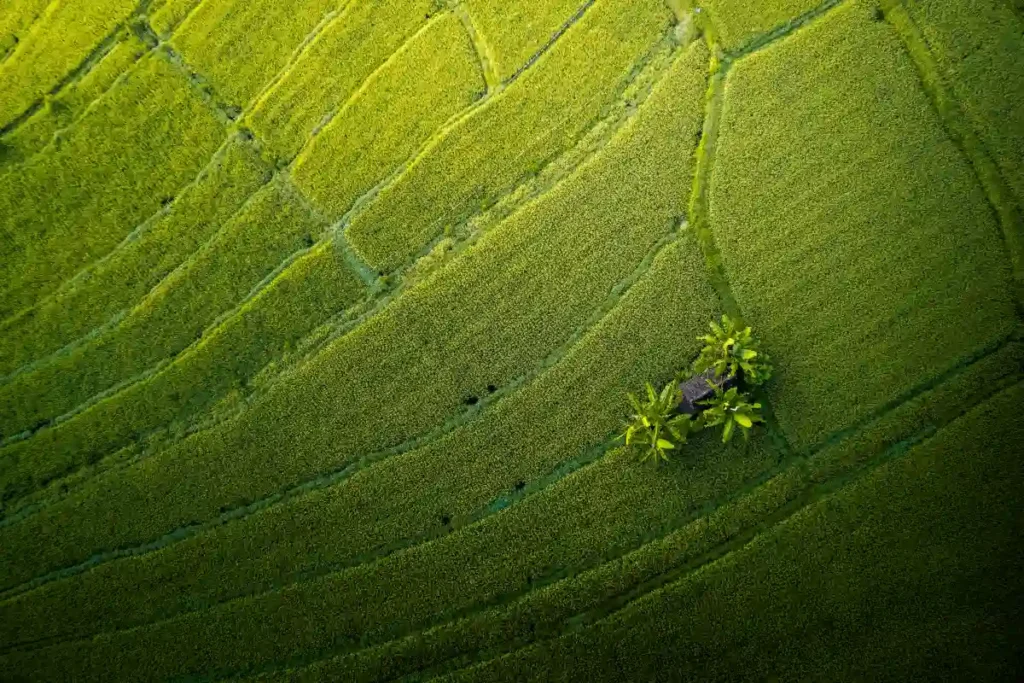
Bali’s lush rice terraces are more than just picturesque backdrops for photos, it’s a living landscapes that reflect centuries of agricultural wisdom, spiritual tradition, and harmonious co-existence with nature. For travelers seeking to dive deeper into the island’s cultural and scenic richness, exploring Bali’s rice fields offers a tranquil, authentic experience that goes beyond the beach resorts and tourist hubs.
In this guide, we will walk you through the most breathtaking rice fields in Bali, explain the traditional Subak irrigation system that sustains them, and share helpful tips on where to stay and how to join a local rice field tour.
The Subak System: The Soul of Bali’s Rice Fields
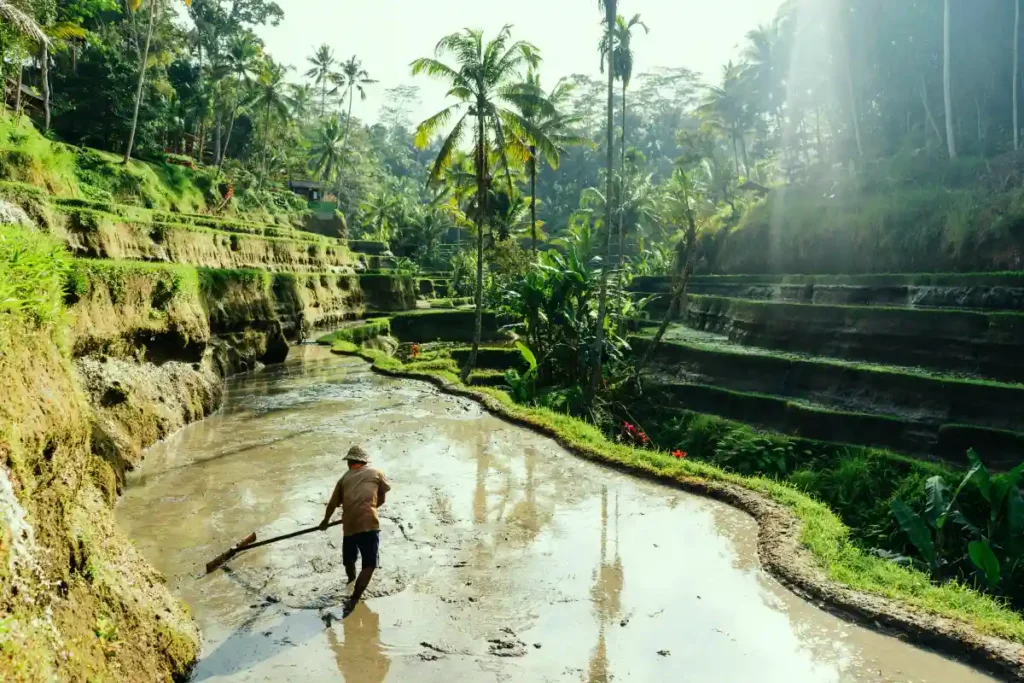
At the heart of Bali’s verdant rice landscapes lies Subak, a traditional irrigation system that dates back to the 9th century. Recognized by UNESCO as a World Cultural Heritage, Subak isn’t just a practical way to water rice paddies, it’s a manifestation of Tri Hita Karana, the Balinese philosophy that emphasizes harmony between humans, nature, and the divine.
Subak relies on a cooperative management system where farmers share water from a common source, usually a mountain spring or river. The water flows through a series of intricately constructed canals and tunnels to reach the terraced fields below. Temples, known as Pura Ulun Suwi, play a vital role in this system, where farmers make offerings to ensure smooth water flow and crop abundance. Understanding Subak is key to appreciating why Bali’s rice fields look the way they do, layered, lush, and alive with spiritual significance.
Top Rice Field Destinations in Bali
1. Tegalalang Rice Terraces – Ubud
Tegalalang is perhaps Bali’s most famous rice terrace, and for good reason. Located just 20 minutes north of Ubud, these terraces offer dramatic landscapes with steep, curved layers that follow the contours of the hills. The early morning light casts a golden glow across the fields, making it a popular time for both photographers and casual visitors.
Entrance Fee: Start from IDR 15,000 per person.
Swing/Photo Spots: Start from IDR 50,000 – 150,000 depending on the activity.
2. Jatiluwih Rice Terraces – Tabanan
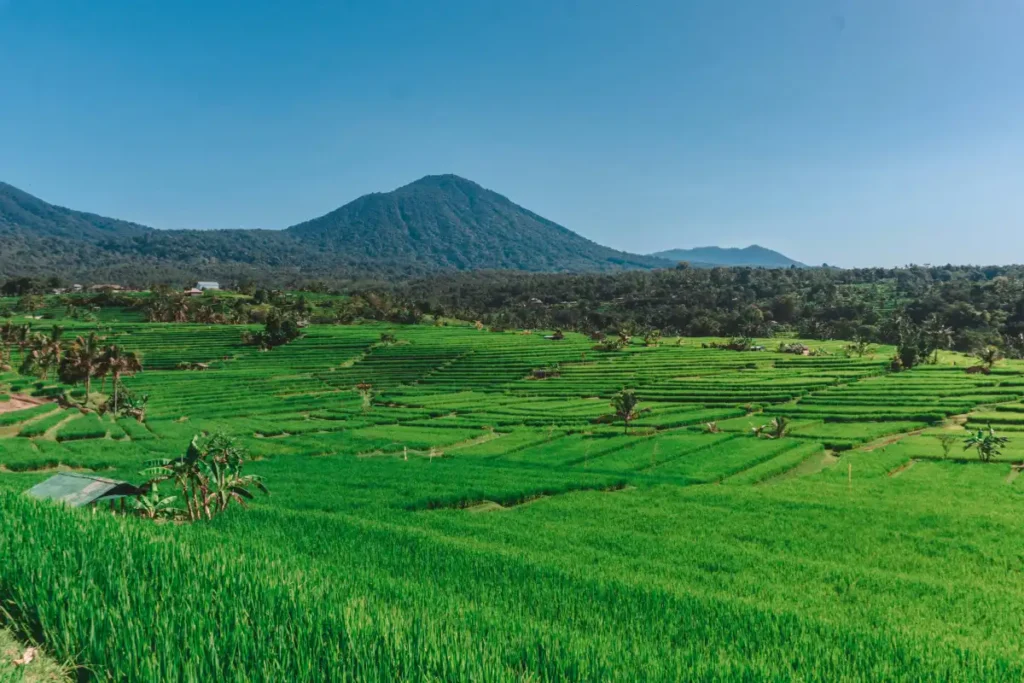
For those seeking a quieter, more authentic experience, Jatiluwih is the crown jewel of Bali’s rice fields. Stretching across over 600 hectares, these UNESCO-listed terraces are less crowded and offer a peaceful escape into Bali’s agricultural heartland.
Entrance Fee: Start from IDR 40,000 per person.
Trekking Guide (optional): Start from IDR 150,000 – 300,000 depending on route length.
3. Sidemen Valley – East Bali
Sidemen Valley is a hidden gem surrounded by rolling rice fields, coconut palms, and views of Mount Agung. It’s perfect for travelers looking to escape the hustle and bustle and immerse themselves in Balinese countryside life.
Tour Options: Many local homestays offer guided walks through rice fields starting at IDR 200,000 – 400,000 per person, including cultural interactions and snacks.
4. Munduk and Pupuan – North Bali
These lesser-known spots in North Bali offer cooler weather, misty hills, and incredibly scenic rice terraces that are often missed by the average tourist. The route between Munduk and Pupuan is one of Bali’s most beautiful drives. It’s free if you want to stop by and taking pictures. Just be aware, make sure you are taking pictures at the safe spot.
Tip: Rent a scooter or hire a private driver to explore the route. Great photography opportunities at sunrise and sunset.
5. Pererenan and Canggu Rice Fields – South Bali
If you are staying near the coast and want a quick escape into nature, the rice paddies of Pererenan and Canggu offer a slice of tranquility close to trendy cafes and surf spots. While rapid development has reduced their size, early morning or sunset walks here are still worthwhile. You can go to any coffee spot or cafe without a minimum spend to enjoy the rice fields or even go to some working space with a rice field view.
Read also: Best Day Trips from Canggu: Where to Escape and Explore in a Day
Tips for Visiting Bali’s Rice Fields
Exploring the rice fields of Bali is more than just a scenic stroll, it’s a chance to witness centuries of agricultural tradition, spiritual symbolism, and local way of life. To make the most of your visit and ensure a respectful experience, here are some detailed tips that every traveler should know:
Best Time to Visit
Timing your visit is essential for seeing the rice fields at their most vibrant. The ideal months are:
- March to July: This period follows the rainy season, and the fields are lush, green, and thriving with young rice plants.
- October to early November: These months also offer picturesque landscapes as a new planting cycle begins, with fewer tourists and pleasant weather.
Avoid visiting right after harvest (typically in August or late January), as the fields may look dry, muddy, or barren.
What to Wear
Bali’s rice fields often involve narrow footpaths, small inclines, and exposure to sun or light rain. Dress appropriately:
- Light, breathable clothing: Cotton or linen fabrics help keep you cool and comfortable.
- Comfortable walking shoes or sandals with grip: Avoid flip-flops, you will need sturdy footwear to walk through uneven or slippery trails.
- Hat and sunscreen: There’s little to no shade in the fields, so sun protection is crucial.
- Rain jacket or poncho (optional): Especially during the wet season, sudden showers are common.
Respect and Etiquette
Rice farming in Bali is deeply spiritual, often guided by religious ceremonies and community cooperation. Visitors should approach with awareness and respect:
- Stay on the designated paths: Never step into the rice paddies unless you are on a guided tour and it’s permitted.
- Do not disturb the farmers: Many tourists are eager to take photos, but remember, this is someone’s workplace.
- Be mindful during ceremonies: If you see offerings, processions, or rituals in or near the fields, keep a respectful distance and avoid interrupting.
- Don’t pick the rice or touch offerings: What may seem harmless could be part of a sacred ritual.
Photography Tips
Bali’s rice terraces are a photographer’s dream, but the best shots come with the right timing and ethics:
- Golden hour is key: Visit early in the morning (7 – 9 AM) or late afternoon (4 – 6 PM) for soft, warm lighting that highlights the curves of the terraces.
- Avoid midday sun: The light can be harsh, flattening textures and making it difficult to capture the true beauty of the landscape.
- Drones: Use drones only where permitted. Always check local regulations, and be cautious not to fly near temples, ceremonies, or people’s homes without permission.
- Candid moments over posed: Some of the most powerful images come from observing the natural rhythms of life in the paddies, farmers planting, ducks roaming, or mist rising off the hills.
Read more: 8 Most Instagrammable Places in Canggu and Pererenan
Let the Rice Fields Teach You More Than Just Beauty
Bali’s rice fields are more than picturesque landscapes, they are living symbols of harmony between nature, community, and spirit. Whether you’re hiking through Jatiluwih, taking in the emerald views of Tegallalang, or joining a guided tour through Sidemen’s valleys, let each step remind you of the generations that shaped these terraces with care and reverence. Take nothing but photos, leave nothing but footprints, and gain a deeper appreciation for the land and people who make Bali’s rice culture so enduring and unique.